
SHOPPERS
How to Pick Fresh Produce Like a Pro: Use Your Senses
You cut into a tomato at home only to find it's mealy and flavorless. You bring home blueberries that mold overnight. The watermelon looks…
Feb 12, 20263 min read
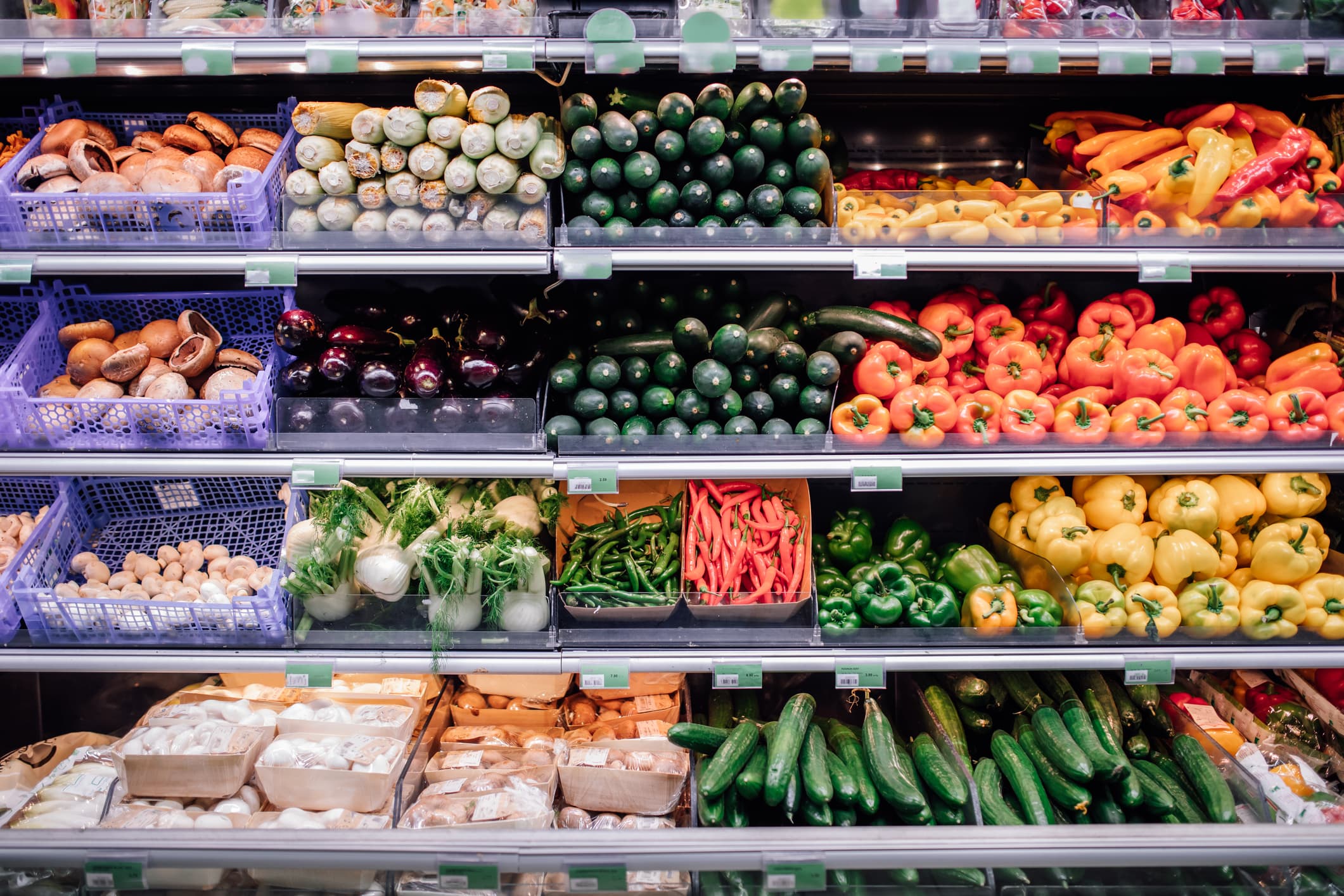
MEMPHIS, Tenn. (Youdle) – You cut into a tomato at home only to find it's mealy and flavorless. You bring home blueberries that mold overnight. The watermelon looks perfect but tastes bland. These aren't flukes—they're signs you need a better produce-picking strategy.
Professional shoppers know something most people don't: you can predict quality before you leave the store. It takes five seconds per item and uses only your senses.
Use All Your Senses, Not Just Your Eyes:
Sight is the beginning, not the end. Most shoppers look at color and call it done. Real produce quality comes from combining sight, smell, touch, and sometimes taste (if you're allowed samples).
Look: Check for smooth, unwrinkled skin free from soft spots, bruises, or holes. Bright, vibrant colors indicate nutrients and freshness. Dull or discolored produce is past its prime.
Smell: Ripe produce should smell fresh and sweet. Berries should smell fresh with no moldy whiffs. Tomatoes should smell earthy. Pineapples and stone fruits (peaches, nectarines) should have a rich, fruity aroma. Anything that smells sour, moldy, or "off" gets left behind.
Touch: Feel the produce. Firm produce without soft spots is fresh. Most fruits should give slightly when gently squeezed if ripe. Hard fruit (except apples) usually isn't ripe yet. Mushy or squishy produce is overripe.
How to Pick Specific Produce:
Tomatoes:
Smooth, unwrinkled skin (wrinkles mean old or mealy)
Firm flesh that gives slightly when touched
Heavy for its size
Sweet, earthy smell at the stem end
Small dents and color variations are normal
Bell Peppers:
Firm and heavy for their size
Glossy, shiny skin with no wrinkles
Bright, vibrant color (avoid browning or discoloration)
Fresh, green stem (shows it hasn't been sitting long)
No soft spots
Berries (Blueberries, Strawberries, Blackberries):
Open the container and check for mold or leaking
Strawberries should have leafy caps attached
No mushy berries mixed in
Look for fresh, deep red color
Smaller berries are often sweeter than giant ones
Melons (Watermelon, Cantaloupe, Honeydew):
Feel heavy for their size (indicates juiciness)
Tap it—a hollow sound means ripe
Watermelons should have a yellow spot where they sat on the vine
No soft spots or bruises
Skin should be evenly colored
Understand Ripeness vs. When You'll Eat It:
Not all produce ripens at the same speed. Know the difference:
Continues ripening after picking:
Pears, bananas, avocados, kiwis, stone fruits (peaches, nectarines, plums)
Won't ripen after picking:
Berries, watermelons, grapes, cherries, citrus fruits
If you're planning to eat it today, pick ripe produce. If you're eating it in 3-5 days, pick slightly underripe so it peaks when you use it.
Shop in Season for Better Flavor:
Seasonal produce is fresher, more flavorful, cheaper, and required less shipping. Produce picked out of season traveled farther and was picked before ripeness. Compare the price and taste of seasonal versus out-of-season versions at your store—the difference is real.
Local farmers' markets are your best source for peak-season produce, plus you can ask farmers directly about ripeness and storage.
The "Ugly Produce" Secret:
Misshapen or slightly bruised produce is nutritionally identical to perfect-looking produce. Stores often mark these down 20-30%. A tomato with a small dent tastes exactly the same. Don't be afraid of vegetables that don't look magazine-perfect.
One More Trick: Check Packaged Produce Carefully:
For pre-packaged berries or produce, open the container and inspect. Check for:
Excess moisture (leads to faster spoilage)
Mold or bruising in the bottom of the container
Leaking juices
Choose loose produce over pre-packaged when possible—you control quality and often pay less.
Use Youdle to find produce across nearby stores. The Youdle Community can be a great resource for tips and recommendations from real shoppers to avoid disappointment. To stay informed about food trends and market insights, subscribe to the Youdle Blog .
For more on produce selection and storage, check out the original article here .