
SHOPPERS
Digital price tags are spreading. Here is what is not proven
Some U.S. retailers are replacing paper shelf tags with small electronic displays. These labels let stores update the price shown on a shelf…
Oct 24, 20262 min read
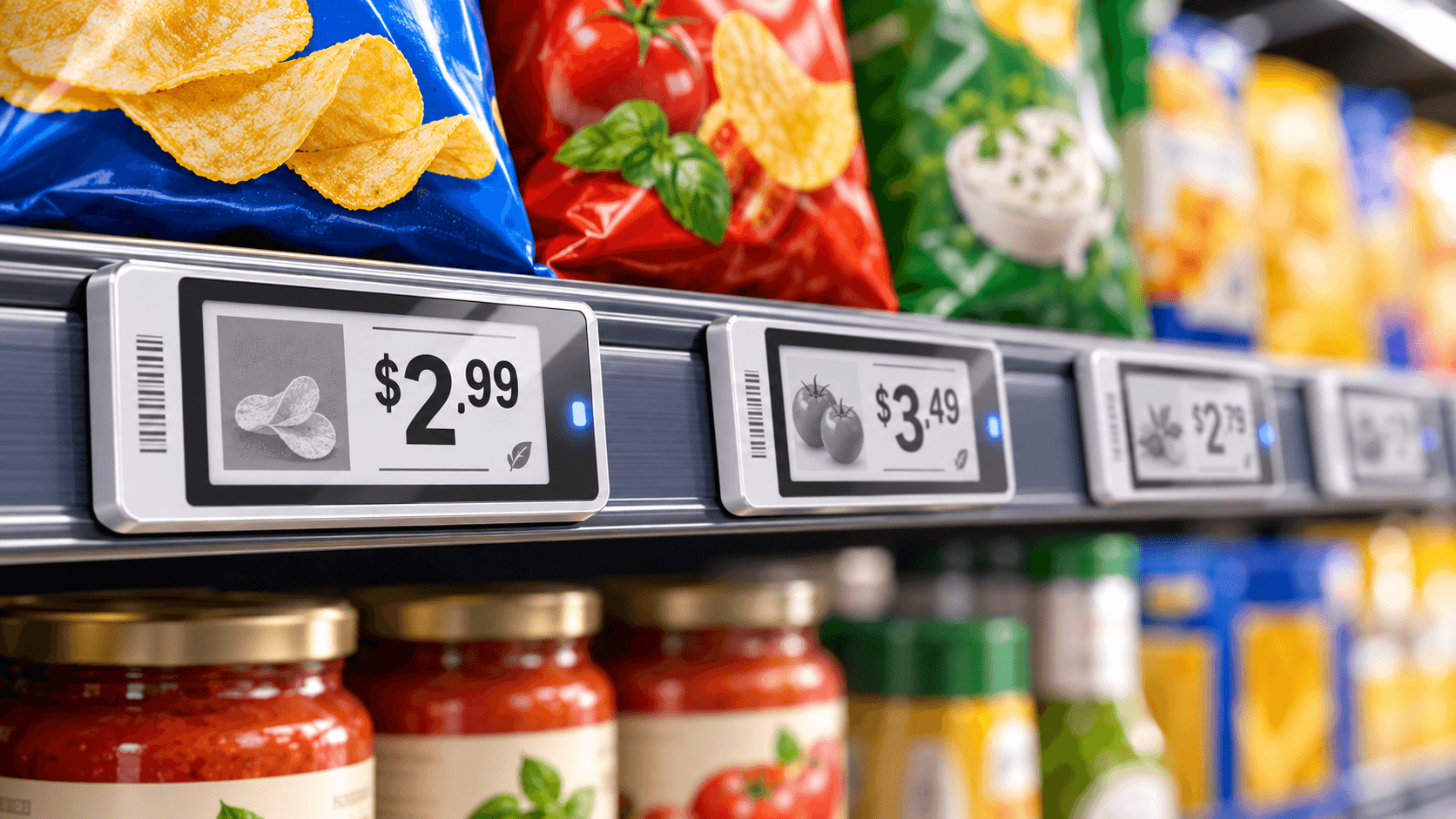
Some U.S. retailers are replacing paper shelf tags with small electronic displays. These labels let stores update the price shown on a shelf without physically replacing every tag. That ability has raised questions about how often prices might change.
Associated Press reporting in October 2026 describes growing use of electronic shelf labels at major retailers and concerns about AI-assisted pricing. But a digital label by itself is not proof that a store is charging different shoppers different prices.
Three terms worth separating
Electronic shelf label: The screen showing the shelf price.
Dynamic pricing: A price that changes under rules such as timing, demand or inventory.
Personalized pricing: Different offers or prices influenced by information about a particular shopper.
These systems can intersect, but they are not interchangeable. A store can use digital labels to update ordinary advertised prices without using personalized pricing. Consumer advocates have raised concerns about potential abuses; retailers have disputed assumptions that electronic labels automatically mean surge pricing.
The Youdle Take
The useful question for a shopper is less dramatic: Does the price on the shelf match what I am charged? Treat that as a basic checkout check, no matter what kind of tag is used.
At the shelf: Note the displayed price, the product size and the unit price where provided.
At checkout: Compare the charged price with what you saw for that exact product.
If they differ: Ask the store to explain its pricing policy and resolve the discrepancy. Keep your receipt.
Don't assume a changing price is automatically illegal, and don't assume an electronic tag can identify you. Those conclusions require evidence about the retailer's actual system and applicable law.
If you have observed a label discrepancy firsthand, you can discuss the experience in the Youdle Community. Include the date and product details, and avoid posting anyone else's personal information. That is how Youdle can help shoppers compare real experiences without manufacturing outrage.