
SHOPPERS
Fiber is trending. The shopping list is surprisingly ordinary
Sweet potatoes, frozen edamame and dried prunes stood out in Instacart's recent analysis of fiber-related food purchases. Their category…
Oct 24, 20262 min read
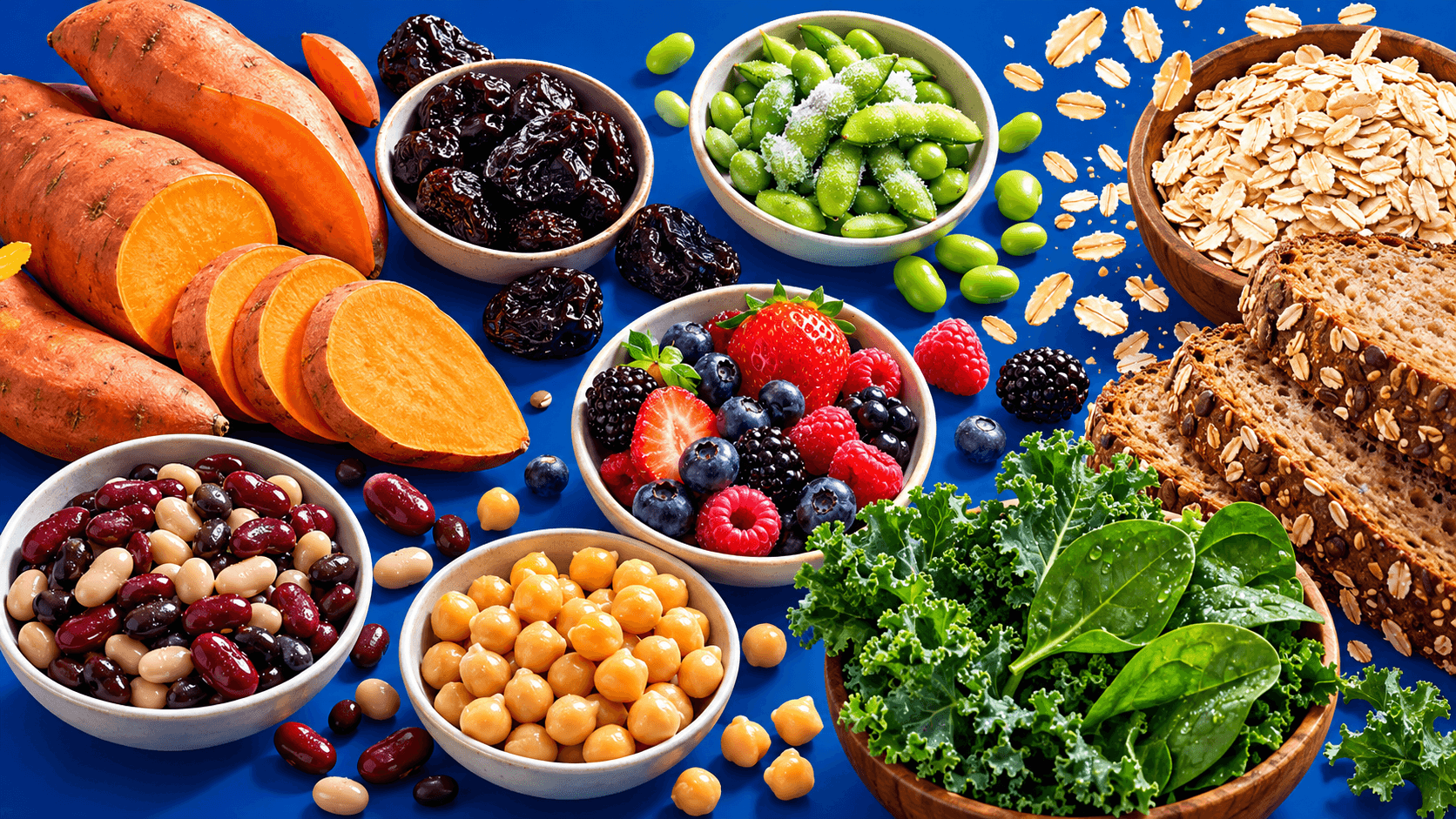
Sweet potatoes, frozen edamame and dried prunes stood out in Instacart's recent analysis of fiber-related food purchases. Their category shares grew 28%, 25% and 23% , respectively, on Instacart in the first half of 2026 compared with the same period in 2025.
Those numbers come from Instacart's own platform, not a census of every grocery sale in America. They indicate changes in the mix of purchases on that service; they do not show that each food has gained that much in price, nutritional value or total nationwide consumption.
The larger shopper takeaway is simple: fiber isn't confined to products with a trendy label. The National Institutes of Health lists beans and lentils, fruit, vegetables, whole grains and nuts among useful food sources of fiber.
The Youdle Take
You don't need to replace every meal or buy a special snack to think about fiber. Make one familiar addition where it fits:
Breakfast: Add berries or oats to a meal you already enjoy.
Lunch: Try beans or chickpeas in a salad or soup.
Dinner: Include a sweet potato, peas or edamame with your usual main dish.
Snack: Look at fruit or nuts, considering your dietary needs and allergies.
According to the NIH's digestive health guidance, adult fiber needs vary, and adding fiber gradually while drinking enough fluids is generally preferable to suddenly making large changes. Anyone managing a medical condition or specific dietary restrictions may need individualized advice.
For an honest grocery comparison, don't confuse marketing language with nutrition facts. If you are comparing packaged foods, look at fiber per serving on the Nutrition Facts panel, along with serving size and the rest of the product's ingredients.
Use Shop a Recipe to explore how an existing meal could include beans or vegetables, then collect the ingredients in My Grocery Lists. Youdle's job is to translate a trend into an understandable grocery choice, not to turn a social-media buzzword into a medical promise.